FAQ
NMNH stands for Nicotinamide Mononucleotide Hydride - it is a reduced form of NMN that serves as a direct precursor to the NAD+ molecule, crucial for energy and cell repair.
In the body, NMNH is first converted to NMN and then enzymatically to NAD+. This process helps restore NAD+ levels, which decline with age.
NAD+ is a molecule that helps cells create energy, repair DNA, regulate sleep, and maintain mitochondrial health. It is crucial for cellular processes.
NMNH as a stable supplement was first isolated and described by a research team from China in 2021, led by Professor Shin-ichir Imai.
The function of NAD+ was first described in 1906. Its role was elucidated in detail by Nobel Prize-winning scientists such as Arthur Harden and Hans von Euler-Chelpin.
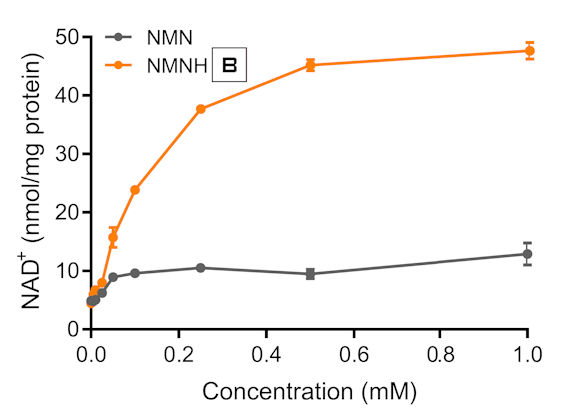
NMNH is a reduced form of NMN and can be converted more quickly to NAD+ with less oxidation. As a result, it increases NAD+ levels more efficiently than conventional NMN.
NMNH is a derivative of naturally occurring substances in the body, although as a supplement it is produced synthetically for stability and purity.
No serious side effects have been reported so far. Animal studies and early human data suggest good tolerability, but long-term effects are under investigation.
For adults who want to support cellular energy, healthy aging, performance or recovery. It is not recommended for children, pregnant or lactating women.
NMNH is a reduced form of NMN, it has better stability and efficiency in NAD+ production. NMN is more common, but NMNH may be more active in the body.
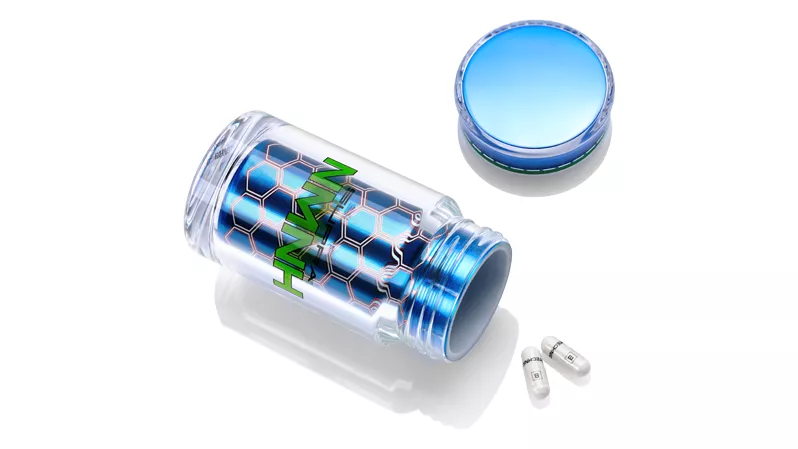
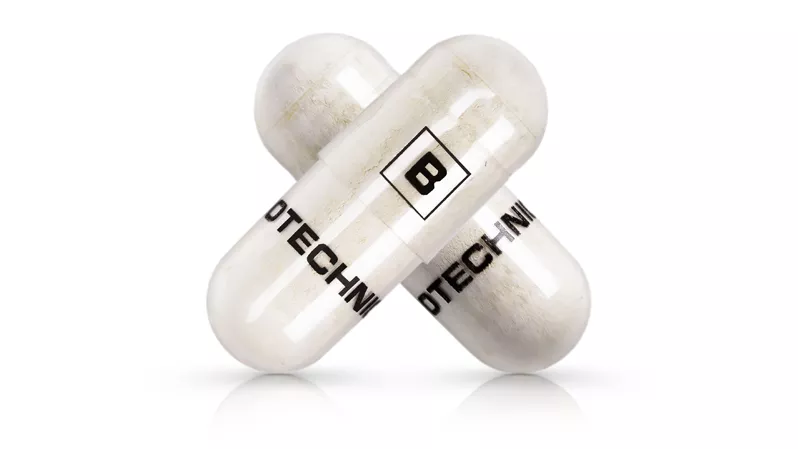
Most commonly in the form of capsules, powder, or sublingual tablets. It is recommended in the morning on an empty stomach for better absorption and effect.
Some people feel the effects (e.g. more energy) within a few days, for others the onset is gradual. It depends on age, health and dose.
Yes, by increasing NAD+, it can promote mitochondria, energy and recovery, which is beneficial during physical exercise.
Studies suggest that NMNH promotes cellular repair, energy, and mitochondrial health, which are key anti-aging factors.
Yes, increasing NAD+ levels often leads to improved energy and reduced feelings of exhaustion.
Yes, it is commonly combined with e.g. resveratrol, PQQ, coenzyme Q10 or selenium for a synergistic effect on energy and cellular health. However, it is important to know that not all supplements have a high bioavailability to be of real benefit.
It is usually recommended after age 30, when natural NAD+ levels begin to decline. The higher the age, the greater the potential benefit.
Animal studies suggest that higher NAD+ levels improve brain function and memory. Human studies are still ongoing.
There is no upper limit yet. Intermittent or cyclical use is recommended - e.g. 5 days a week.
Increased energy, better recovery, radical reduction in the number of dullness over the year, better and firmer skin with fewer wrinkles, thicker hair, improved mental performance.
Indirectly, yes. Higher levels of NAD+ promote better brain function and hormonal balance, which may help to manage stress.
Yes, because NAD+ promotes cell and tissue repair. It can speed recovery, especially after viral infections or physical exhaustion.
NAD+ affects circadian rhythms. Many users report improved sleep quality, especially with regular use.
Yes, it is ideally taken in the morning on an empty stomach, which may improve absorption and bioavailability.
NAD+ levels may remain elevated for several hours after taking. Regular use is important for a lasting effect. It is important to supply the body with NMNH in a polymorphic version. Then a very high NAD+ level is ensured for almost the whole day.
It is best in the morning because NAD+ supports energy metabolism. Taking it in the evening could disturb sleep in sensitive individuals.
NMNH as such is not found in common foods. Natural precursors of NAD+ include e.g. milk, fish, broccoli or yeast.
That's like asking yourself whether it's worth it to take a 400km trip on a scooter or to get in the car and hit the road.
No. NMNH works differently. While it is related to vitamin B3, it does not replace the complex effects of the other B vitamins.
In rare cases, an excessive dose may cause arousal. It is therefore recommended to take in the morning or in the morning.
Yes, NAD+ regulates the activity of sirtuins, which are involved in reducing inflammatory processes in the body.
Indirectly, it may promote fat and sugar metabolism by activating sirtuins and improving cellular energetics.
Some studies suggest an improvement in insulin sensitivity, but consultation with a physician is always recommended.
Yes, increased NAD+ promotes cell renewal, skin regeneration and protection against UV damage. If you rely on external care (creams, serums etc etc) this is only part of your external anti-aging. Real anti-aging is done from the inside, from the ground up, i.e. from the cellular level, only then are you able to significantly slow down the signs of aging.
Animal studies show life extension at higher levels of NAD+. Human data is still being collected. With the logic of the matter and the nature of NAD+ function in the body, this is more than likely.
Yes, in most countries NMNH is legally available as a dietary supplement.
In some people, it may help stabilize glucose, particularly by improving mitochondrial function and insulin response.
Yes, higher NAD+ activates processes that promote the proliferation and health of mitochondria - the cell's "powerhouses".
Yes. You even should, but with prior approval from your treating physician.
Both are reduced forms of NAD+ precursors. NMNH is based on NMN, while NRH is based on nicotinamide riboside. They have different routes of absorption.
Studies suggest neuroprotective effects due to NAD+, which promotes neuronal health and reduces oxidative stress.
Usually 100-500 mg per day. The scientific literature does not yet have a clear dosing schedule; it depends on individual response.
So far there are no known cases of toxic overdose. Nevertheless, it is recommended to follow the recommended doses.
The powder itself may have a slightly bitter taste. In capsules, it is tasteless. The sublingual form may be slightly sour.
Store in a cool, dry, dark place. Polymorphic NMNH can be stored in the refrigerator. Amorphous NMNH requires -20 degrees.
Yes, most NMNH supplements are vegan, but we recommend checking the ingredients of the capsules and other excipients.
Mostly biotechnologically from vitamin B3 derivatives using enzymatic or chemical reactions under strict conditions.
Yes, as long as there are no side effects. Intermittent administration (e.g. 2 weeks on/1 week off) is often recommended.
NAD+ is the active form, NADH is its reduced form. NMN and NMNH are precursors - NMNH is a reduced version of NMN.
The alternatives are NMN, NR, NRH or natural precursors of NAD+, but the potency differs between them.